
Pumice for Aquarium: A Comprehensive Guide
Maintaining a thriving aquarium ecosystem requires careful consideration of all components, and the substrate is no exception. Pumice for aquarium use is gaining popularity amongst aquarists for its unique benefits. This guide will explore the properties of pumice, its advantages in aquarium setups, how to prepare it, and considerations for choosing the right type. We will examine why pumice is an excellent choice for both planted and fish-only tanks, contributing to a healthier and more vibrant aquatic environment.
What is Pumice and Why Use It in Your Aquarium?
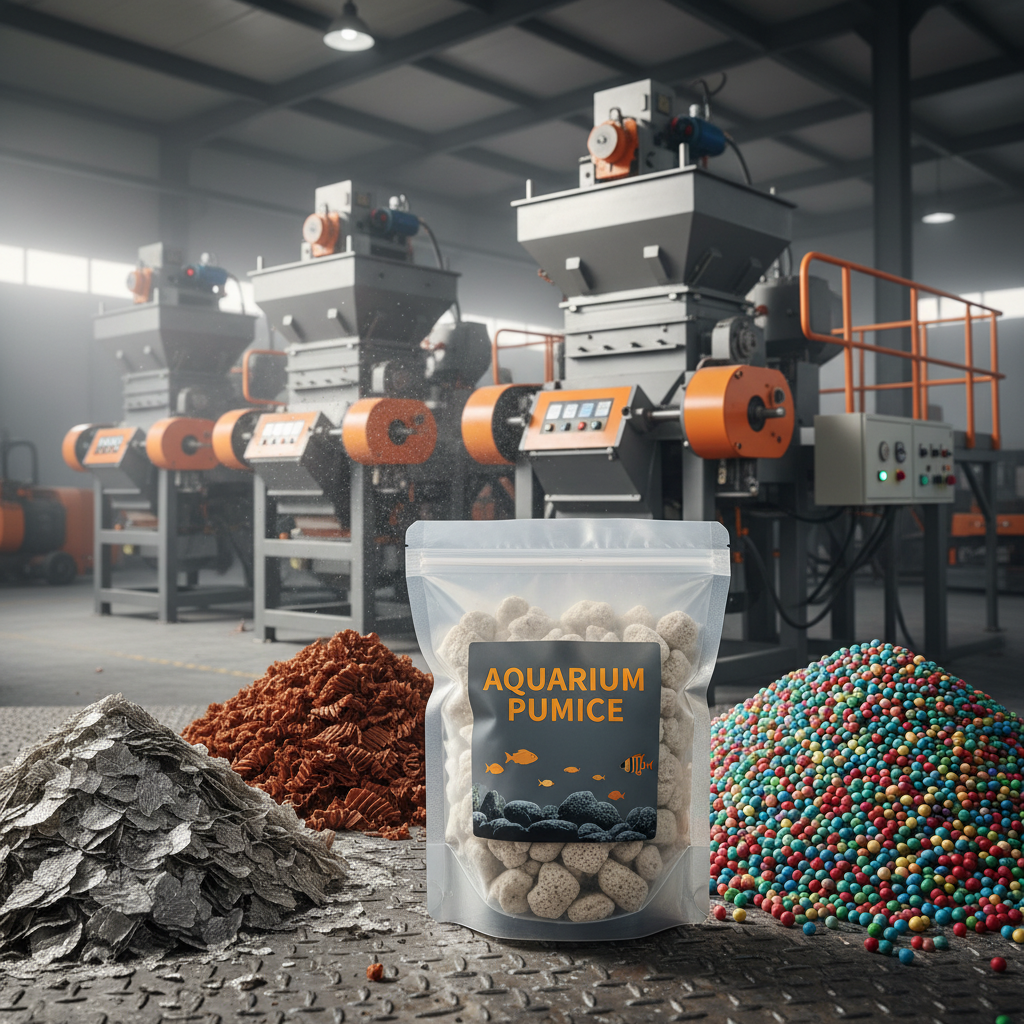
Pumice is a naturally occurring, lightweight volcanic rock formed when super-heated molten rock cools and solidifies rapidly. This rapid cooling process creates a highly porous structure filled with tiny air bubbles. This porosity is the key to pumice's benefits in an aquarium. It provides excellent surface area for beneficial bacteria to colonize, contributing to biological filtration. It's also relatively inert, meaning it won’t significantly alter the water chemistry. Beyond filtration, pumice aids in root development for plants and provides a natural, aesthetically pleasing look. Choosing high-quality pumice from a reputable supplier like Baifeng Mining ensures a safe and effective addition to your aquarium.
Key Benefits: Excellent surface area for bacteria, promotes root growth, inert and won't affect water chemistry, and provides a natural aesthetic.
Pumice vs. Other Aquarium Substrates
When selecting a substrate, aquarists have numerous options, each with its own set of advantages and disadvantages. Pumice distinguishes itself from gravel, sand, and other common substrates in several ways. Unlike heavy gravel, pumice is lightweight, reducing the overall weight of the tank and making maintenance easier. Compared to fine sand, pumice provides superior aeration and prevents compaction, which can hinder root growth. Here's a comparative look:
Choosing the Right Pumice for Your Aquarium
Pumice comes in various sizes and grades. For aquariums, smaller grades (1-5mm) are generally preferred, especially for planted tanks, as they provide a more natural look and allow for better root penetration. Larger grades can be used as a base layer for deeper substrate setups or for creating natural-looking rock formations. Color can also vary from light gray to reddish-brown. It’s crucial to source pumice from a supplier known for quality and purity. Baifeng Mining offers a range of pumice grades specifically suitable for aquarium applications, ensuring a safe and effective product for your aquatic inhabitants.
Preparing Pumice for Aquarium Use
Before adding pumice to your aquarium, thorough cleaning is essential. Pumice often contains dust and fine particles that can cloud the water. Rinse the pumice vigorously in a bucket with dechlorinated water until the water runs clear. This process may take several rinses. Some aquarists choose to soak the pumice in water for 24-48 hours, changing the water periodically, to remove any residual dust and further ensure its cleanliness. Avoid using soaps or detergents, as these can be harmful to fish and invertebrates.
Applications of Pumice in Different Aquarium Types
Pumice’s versatility makes it suitable for various aquarium setups. In planted tanks, it provides excellent support for root systems and promotes healthy plant growth. In fish-only tanks, it contributes to biological filtration and creates a more natural environment. It can also be used in shrimp tanks, offering a textured surface for shrimp to graze on. Its lightweight nature is also beneficial in aquascaping, allowing for easier arrangement of hardscape elements. Using pumice in your aquarium is a simple yet effective way to enhance the overall health and beauty of your aquatic ecosystem.
Conclusion: Enhancing Your Aquarium with Pumice
Pumice is a natural, effective, and versatile substrate option for any aquarium. Its unique porous structure promotes beneficial bacteria growth, aids in plant root development, and provides a beautiful, natural aesthetic. By choosing high-quality pumice from a reputable supplier like Baifeng Mining, you can create a healthier and more vibrant aquatic ecosystem for your fish and plants.
Frequently Asked Questions (FAQs)
Will pumice alter the pH of my aquarium water?
Generally, pumice is relatively inert and should not significantly alter the pH of your aquarium water. However, it’s always a good practice to test your water parameters after adding any new substrate. The pH of pumice can vary slightly depending on its source and mineral composition, but the effect on a well-established aquarium is typically minimal. If you are concerned, you can pre-soak the pumice in water for several days, changing the water frequently, before adding it to your tank to leach out any potential pH-altering compounds.
Is pumice suitable for all types of aquarium plants?
Pumice is generally suitable for most aquarium plants, but it particularly benefits those with extensive root systems. Plants like Amazon Swords, Cryptocorynes, and Vallisneria thrive in pumice as it provides excellent anchorage and aeration. For delicate plants with smaller root systems, a mix of pumice and other substrates, like aquarium soil, may be more suitable. The porosity of pumice also makes it ideal for epiphytic plants that attach to hard surfaces, providing them with a place to establish roots.
How much pumice do I need for my aquarium?
The amount of pumice needed depends on the size of your aquarium and the desired substrate depth. A general guideline is to aim for a substrate depth of 2-3 inches. To calculate the amount of pumice needed, measure the length, width, and height (depth) of your aquarium in inches. Multiply these three dimensions to get the volume in cubic inches, then divide by 231 (the number of cubic inches in a gallon) to convert to gallons. You may need to adjust this amount based on your specific aquascaping plans.


Related News