Pumice: A Versatile Natural Resource
Pumice is a fascinating and incredibly useful volcanic rock, formed when super-heated, highly pressurized rock is violently ejected from a volcano. It’s known for its lightweight nature, abrasive qualities, and unique cellular structure. These characteristics make it applicable in a surprisingly wide range of industries, from construction and cosmetics to agriculture and even filtration. At Baifeng Mining, we specialize in the sourcing and processing of high-quality pumice, serving diverse global markets. Understanding the properties and applications of pumice can unlock significant benefits for your business.
What Exactly is Pumice?
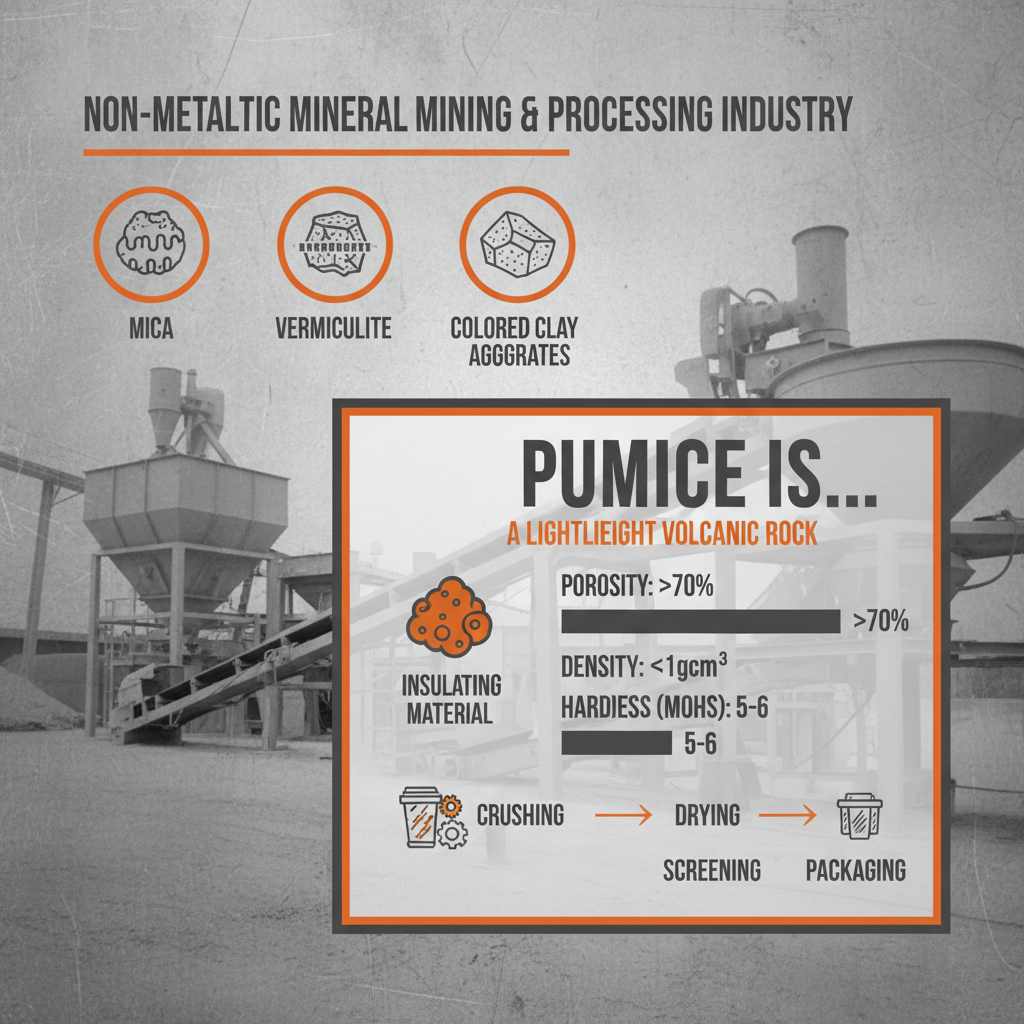
Pumice is an extrusive igneous rock created during explosive volcanic eruptions. It’s essentially a frothy lava that cools rapidly, resulting in a highly porous structure filled with gas bubbles. This bubbly texture is what gives pumice its distinctive lightweight feel – it can even float on water! Its composition is typically rich in silica, aluminum, and other volcanic minerals. The color of pumice can vary, ranging from white and grey to yellowish or reddish, depending on the mineral content and the type of volcanic eruption it originated from. The inherent abrasiveness of pumice, due to its glassy shards, is a key factor in many of its applications.
Key Highlights: Highly porous, lightweight, abrasive, formed during volcanic eruptions, and composed primarily of silica and aluminum.
Pumice Applications: A Diverse Range
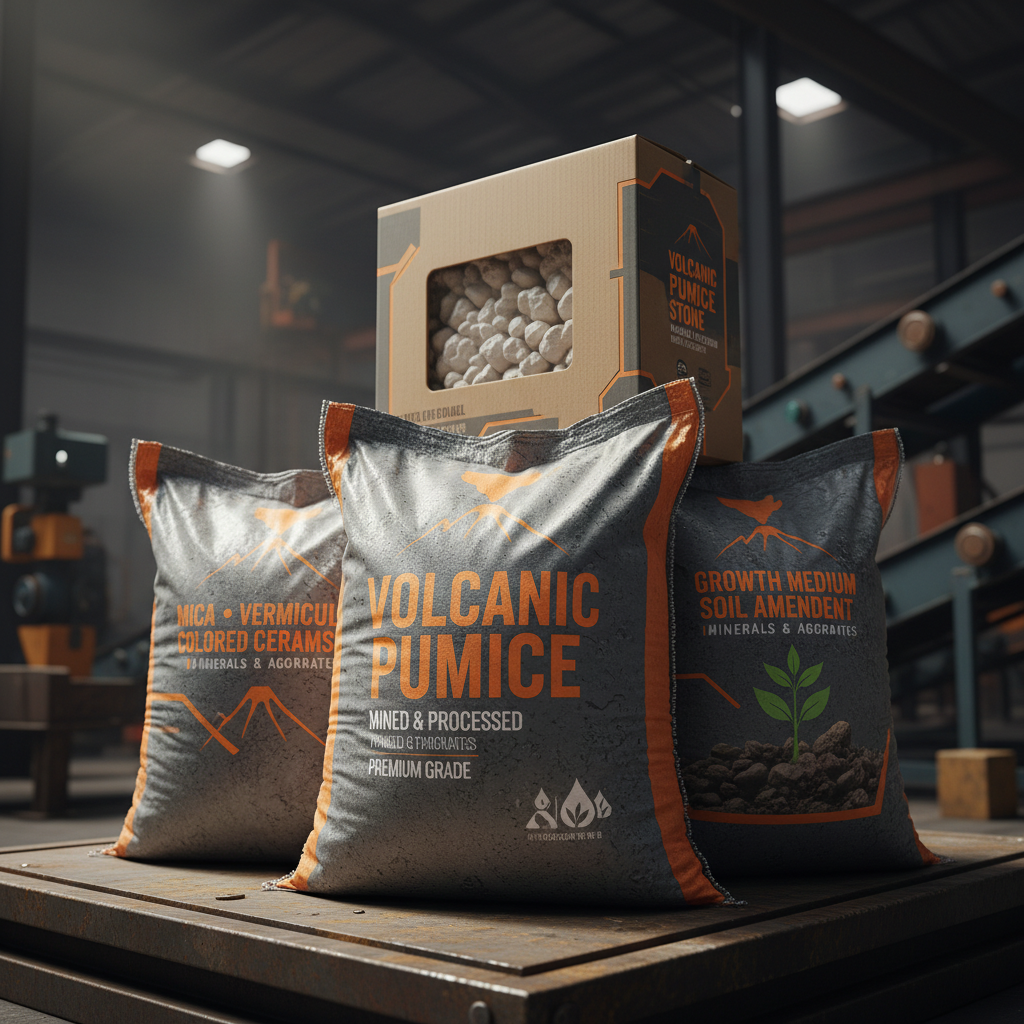
The unique properties of pumice make it incredibly versatile. In the construction industry, it’s used as a lightweight aggregate in concrete, reducing the overall weight of structures. The cosmetics industry utilizes its abrasive qualities in exfoliating scrubs and polishes. Agriculture benefits from pumice as a soil amendment, improving drainage and aeration. Furthermore, it’s used in industrial cleaning, filtration systems, and even in the production of lightweight abrasives for polishing. The possibilities seem endless!
Pumice Applications at a Glance:
• Construction: Lightweight concrete aggregate
• Cosmetics: Exfoliating scrubs, polishes
• Agriculture: Soil amendment, drainage improvement
• Industrial: Cleaning, filtration, abrasives
Pumice Grades and Specifications
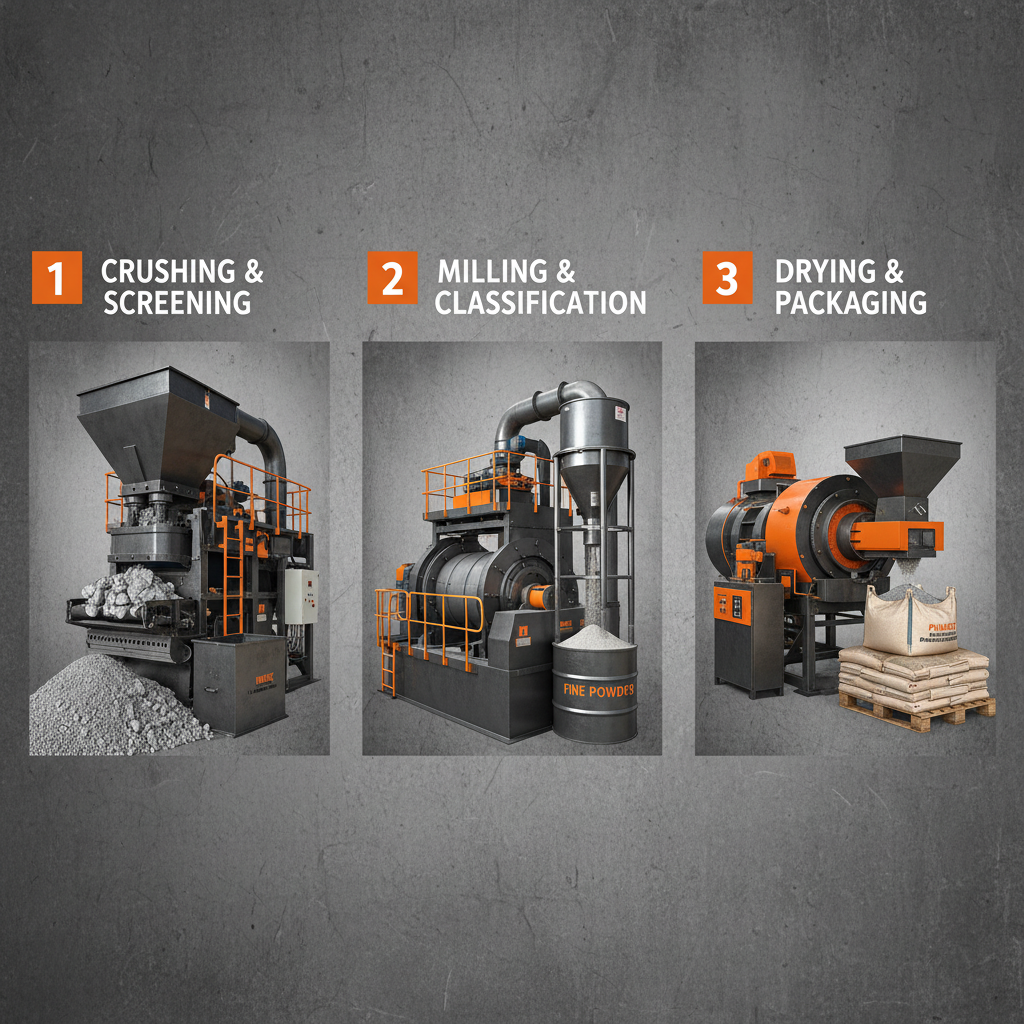
Pumice is available in various grades, each suited to specific applications. The grading is typically based on particle size, ranging from coarse to fine. Baifeng Mining offers a comprehensive range of pumice grades to meet diverse customer needs. The following table provides a general overview of common pumice specifications:
Sourcing Pumice: Choosing a Reliable Supplier
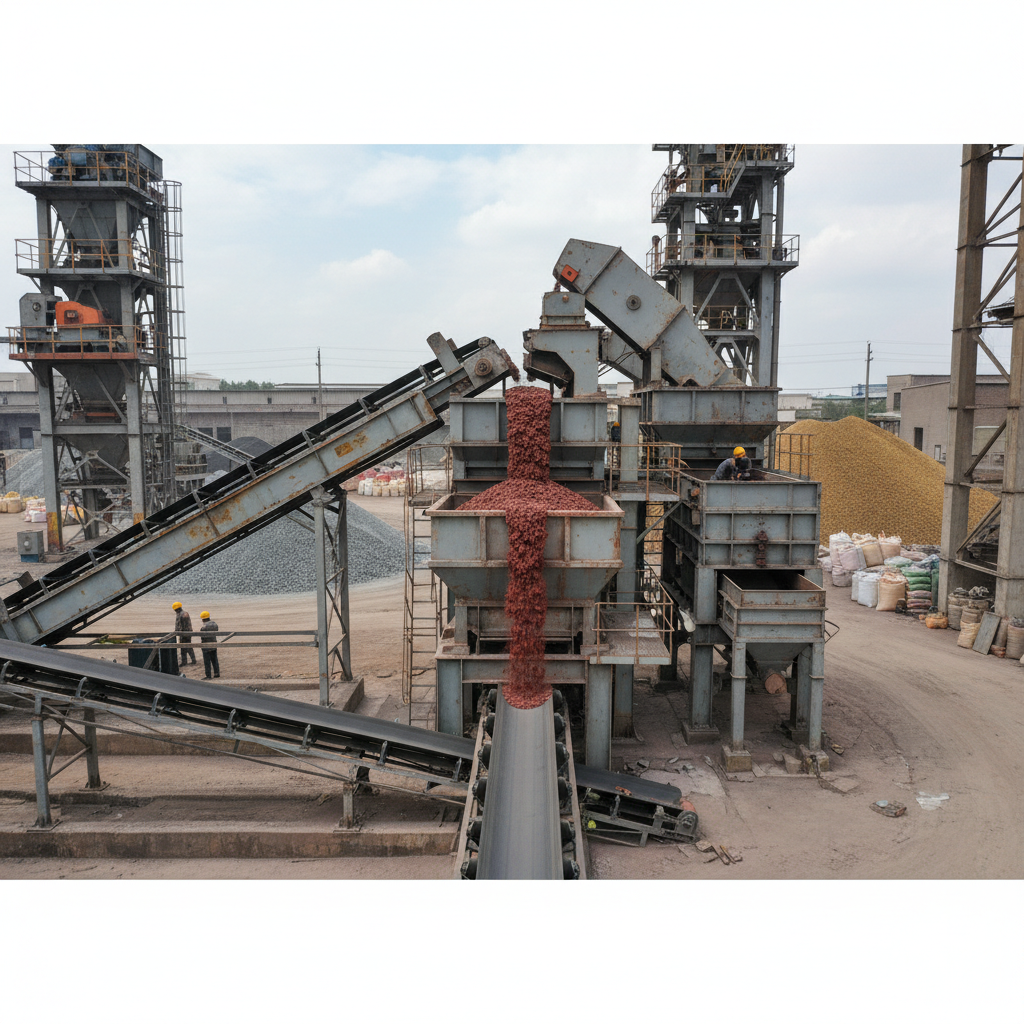
When sourcing pumice, it’s essential to partner with a reputable supplier that can consistently deliver high-quality product. Factors to consider include the supplier’s experience, their commitment to quality control, their ability to meet your specific grade requirements, and their logistical capabilities. Baifeng Mining offers a reliable supply chain, rigorous quality assurance processes, and competitive pricing, making us a trusted partner for businesses worldwide. We ensure that our pumice meets stringent industry standards and is delivered efficiently to your location.
Sustainability and Pumice Mining
Pumice mining, when conducted responsibly, can be a sustainable practice. Pumice deposits are often located in areas with minimal ecological sensitivity. Mining operations can be planned to minimize environmental impact, and reclamation efforts can restore the land after mining is completed. Baifeng Mining is committed to environmentally responsible mining practices, ensuring that our operations minimize their footprint and contribute to sustainable resource management.
Conclusion: Harnessing the Power of Pumice
From construction to cosmetics and beyond, pumice offers a remarkably versatile solution for a diverse range of applications. Its unique properties, coupled with responsible sourcing and a commitment to quality, make it a valuable resource for businesses seeking innovative and sustainable materials. Explore the possibilities of pumice and discover how it can benefit your operations.
Frequently Asked Questions (FAQs)
What are the key properties that make pumice so useful?
Pumice’s usefulness stems from its unique combination of properties. Its high porosity gives it a very lightweight nature and allows it to float on water. The abundant air pockets also contribute to its excellent insulation capabilities. Furthermore, its abrasive texture makes it a valuable ingredient in polishing and exfoliating products, while its natural silica content is beneficial in various industrial applications. These characteristics, combined with its relatively low cost, make pumice a versatile and sought-after material.
Can pumice be recycled?
While not traditionally recycled in the same way as plastics or metals, pumice can be repurposed in several ways. In agriculture, spent pumice used as a soil amendment can remain in the soil, contributing to improved drainage and aeration. In industrial cleaning, used pumice can sometimes be processed and reused for less demanding applications. However, the recycling options are limited by the potential for contamination and the breakdown of the pumice structure. Research is ongoing to explore more effective methods of pumice recycling.
What types of volcanic eruptions create pumice?
Pumice is primarily formed during explosive volcanic eruptions, specifically those involving felsic (silica-rich) magmas. These eruptions are characterized by a rapid release of pressure, causing dissolved gases within the magma to expand violently. This expansion creates the frothy, bubbly texture that defines pumice. The rapid cooling of this frothy lava prevents the gas bubbles from escaping, resulting in the formation of a lightweight, porous rock. The eruption style often associated with pumice formation is Plinian, known for its high eruption columns and widespread ash fall.
Related News